
83 in 52
My Yearly Reading Recap

The last few years have been kind of fun for not having a highly specific reading goal. Using the Goodreads app, I almost always put in a goal of 52 books to average one per week of the year, but I’m not really aggressive about pursuing that per se. I have a lot of time to read, I usually read pretty fast, and so I just…do it.

This year, I somehow ended up reading 83 books. The number actually surprised me, I hadn’t really kept a close eye on it throughout the year, and then towards the end realized that despite this being a very busy year with a lot of travel, research, writing, and more, I actually read a lot.
I love that I get to read a lot. And I love getting to write about what I read. Without further ado, then, here is all that I read in 2025, with one especially powerful/important/fun/great book from each month highlighted.
January - The Only Good Indians
Sculpting in Time: The Great Russian Filmmaker Discusses His Art by Andrey Tarkovsky
The Evangelical Imagination: How Stories, Images, and Metaphors Created a Culture in Crisis by Karen Swallow Prior
The Regulators by Stephen King [as Richard Bachman]
The Exorcist by William Peter Blatty
Verdict on the Shroud by Kenneth E. Stevenson and Gary R. Habermas
The Only Good Indians by Stephen Graham Jones
America Fantastica by Tim O’Brien
False Presence of the Kingdom by Jacques Ellul
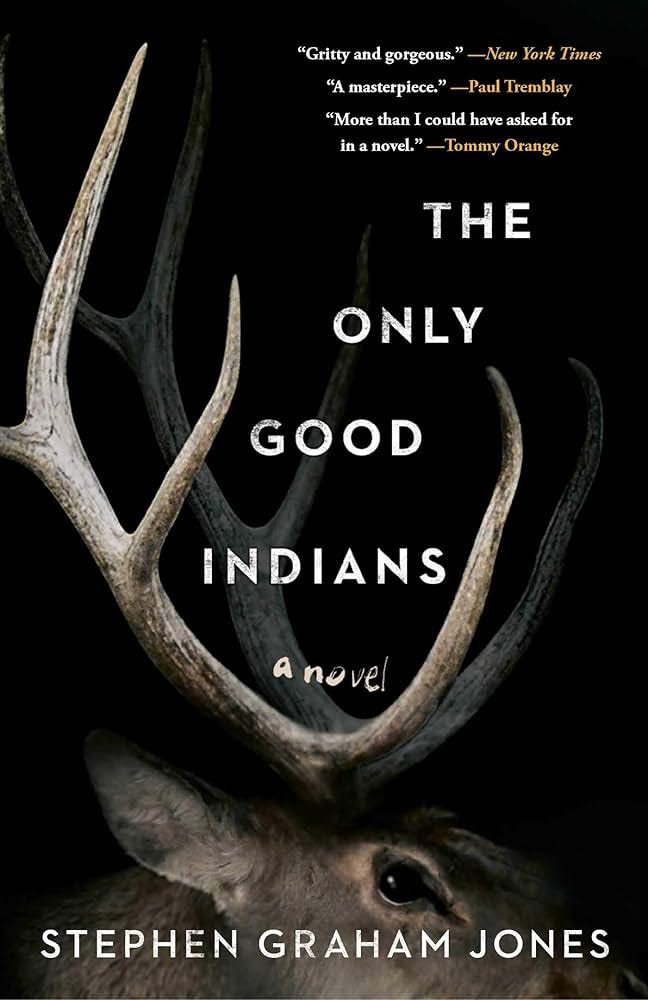
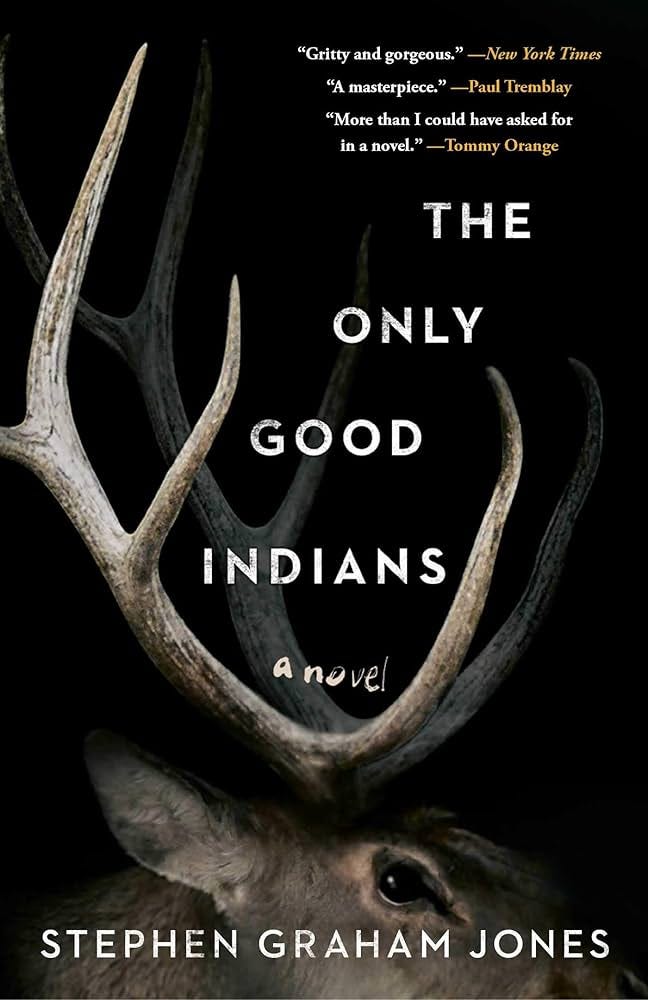
Horror fiction is some of my favorite, both for the chills that it can deliver at its best and for the way that it supplies fresh insights into the culture we live in and the histories we tell ourselves and accept. The Only Good Indians is a revenge story and a monster story, but in ways that are intensely nontraditional. The book follows four men of the Blackfeet Nation, a decade after they accidentally and illegally killed a pregnant elk and her fetus. The incident tied the men together in crucial ways, even as it drove an impenetrable wedge between them, too. Picking up the thread of their various stories in the long aftermath of this moment, the book is a stunning and relentless look at the power of the past to not just haunt us but to pursue us, no matter how hard we try to put it behind us, and no matter the good we try to do to make up for it. Told by a Native American and from the perspective of several, the book is a remarkable meditation on how these realities of history are true for us as individuals and whole communities. We can never forget the past, and the past never forgets us. Even when we think we’re done with a thing, or when we believe we or others should have moved on, the past is always there, forming and shaping us in ways good, bad, and indifferent.
Parts of this book will linger with you. It’s bloody, shocking, and brutal. It’s also tender, thoughtful, reflective, profound, and beautiful. Even as a story told by a Native and about Native culture and memory, there was so much in the characters of this book that was intensely familiar and heartbreakingly relatable. Saying too much about the book’s plot or progression could give too much of it away, but the real point of the book is the feelings it elicits, both in its moments of horror and in its softer, quieter scenes. I read this book fairly early in 2025, but it stuck with me in sincere ways all year long, and is a book I look forward to returning to again and probably again.
February - Lit
The Multisensory Film Experience: A Cognitive Model of Experiential Film Aesthetics by Luis Rocha
Brave New World by Aldous Huxley
Lit by Mary Karr
The Crying of Lot 49 by Thomas Pynchon
The Wall of the Sky, The Wall of the Eye by Jonathan Lethem
Social Media Research Methods by Joseph P. Mazer, Brandon C. Boatwright, and Nathan J. Carpenter
The Colorado Kid by Stephen King
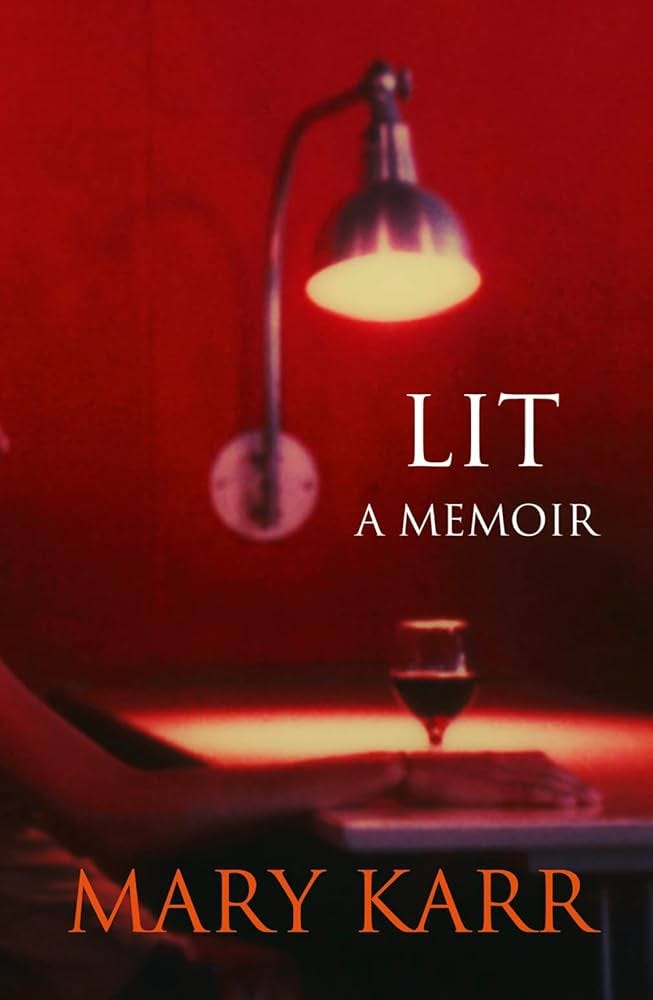
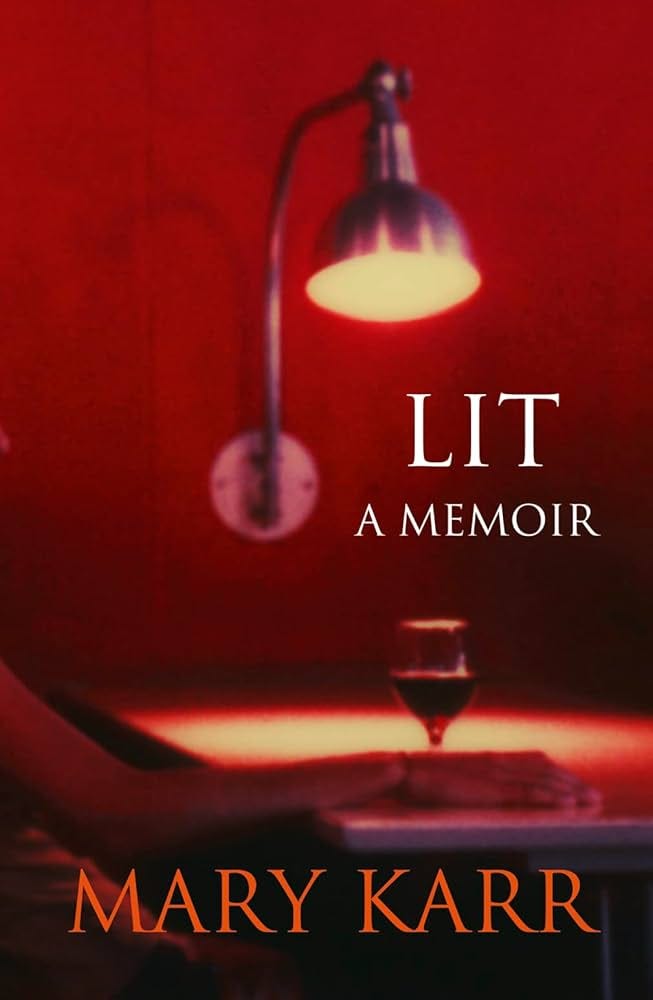
Last year, I read Mary Karr’s memoir The Liars’ Club, which was a heck of a fun, fascinating, heartbreaking read about her childhood. Lit, though, is something intensely special. The title describes the book and its content in three ways: first, it is a book about Karr’s growth as a literary artist; second, it is a book about her being lit and finding her way out of alcoholism; third, it is a book about finding the light of faith and relentlessly pursuing it. As with other books on this list, there is a brutal amount of honesty in Karr’s memoir. The things she will own up to about herself, her marriage, her drinking, and more is impressive. But what’s more impressive is the way the depths of her struggles and her own depravity are never played for pity, but are put to work in a deliberate manner to show the possibilities that exist in finding forgiveness and faith. Karr does not make these things seem or feel easy, mind you, nor complete in her own life. But she touches on the art and the magic of them in her life and the lives of others in ways that make them seem possible and desirable for all of us. Hers is not an easy story, and she never pretends that it is. That reality makes this one of the best and most honest memoirs of faith I’ve ever encountered, even as it’s also the roughest—you won’t find many other books of testimony with as much swearing and explicit content. None of this, though, is titillating or absurd or offensive for the sake of being offensive. It’s illustrative of the honest ways that life happens and that God works. Never is any of it admirable, nor does it soften the roughest edges of the whole story. But it maybe makes it actually worth reading, witnessing, and growing from.
March - The Lost World
Schindler’s List by Thomas Keneally
Darling: A Spiritual Autobiography by Richard Rodriguez
Bible and Film: An International and Intercultural Exploration by Melody Knowles
The Book of Common Prayer: A Biography by Alan Jacobs
The Lost World by Sir Arthur Conan Doyle
David Foster Wallace: In His Own Words by David Foster Wallace
A Journey to the Center of the Earth by Jules Verne
Industrial Society and Its Future by Theodore John Kaczynski
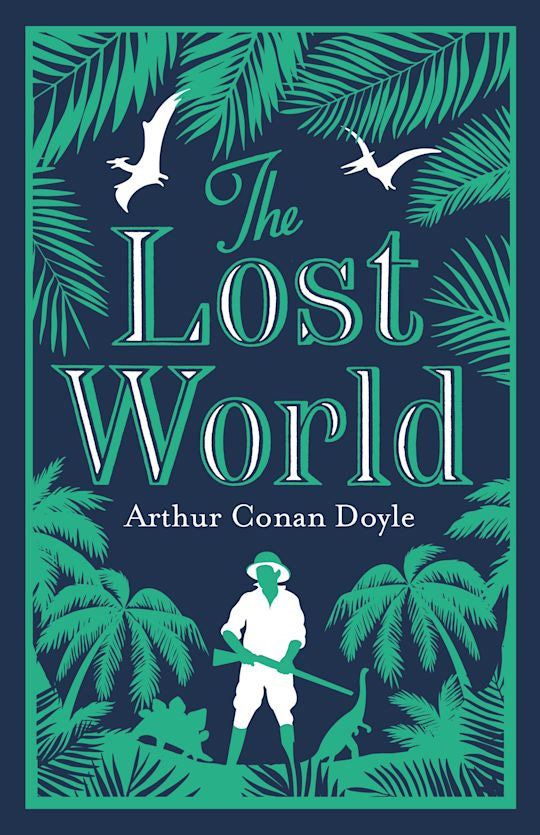
Sometimes, you just have to go back to basics and have some fun. This month, between The Lost World and A Journey to the Center of the Earth, I had a lot of fun just digging into some classic adventure stories. Honestly, I was shocked how well both held up. Each has their peculiarities and absurdities, but for the most part they were each just tremendous narratives with shockingly well-drawn characters and enjoyable action that felt as plausible and compelling as most modern-day adventure stories.
With classics—especially kind of legendary classics like the two noted here—there’s occasionally a tendency to look at them with a certain kind of nostalgia that accounts for problems or dated features. We tend to acknowledge certain classics as being representative of their time, in short. But these two books just really do their thing and do it well. It’s easy to see how they establish the formulas and create the tropes that countless others have imitated over the years, and also how in establishing the formula they still manage to do it almost better than anyone else still ever has.
The Lost World in particular was an exceptionally fun ride for me. It was straightforward in its setup and simple in its execution, with anything even vaguely scientific considered kind of ancillary, and so the story moves at this remarkably brisk pace that keeps you on the edge of your seat from start to finish. Verne’s novel has many of these same qualities, but there’s almost too much that happens in it, to the point that it loses some of its elegance by virtue of being slightly too complex. Sir Conan Doyle’s novel, on the other hand, just rips from start to finish, never letting up for an instant. Both were time extremely well spent, but The Lost World was really something special to tear through.
April - The Anti-Greed Gospel
Rapture Ready!: Adventures in the Parallel Universe of Christian Pop Culture by Daniel Radosh
The Ship Beneath the Ice: The Discovery of Shackleton’s Endurance by Mensun Bound
The Outrageous Idea of Christian Scholarship, 2nd Edition by George Marsden
Apostles of Reason: The Crisis of Authority in American Evangelicalism by Molly Worthen
The Anti-Greed Gospel: Why the Love of Money is the Root of Racism and How the Church Can Create a New Way Forward by Malcolm Foley
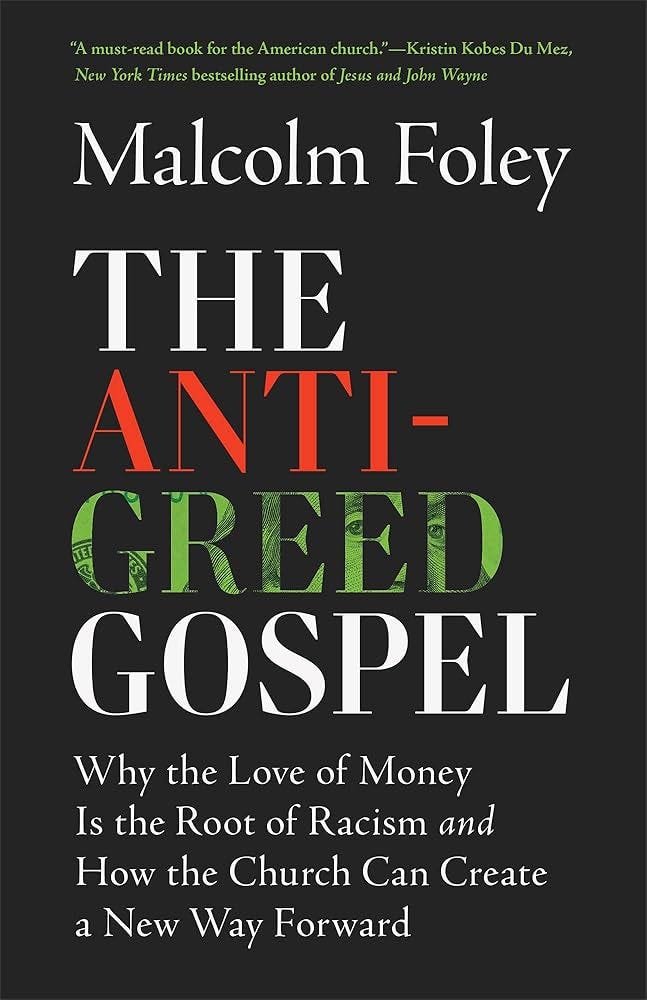
One of the best parts about living and working in a university setting is getting to know exceptionally smart people doing exceptionally smart work. Malcolm Foley is one of those people, and his debut work is an eminently readable, highly engaging, and deeply challenging look at the way that sin matters and shows up in tangible ways throughout history and in our contemporary culture. The Anti-Greed Gospel takes as its starting point that we as human beings are innately greedy—this is something that shows up time and again throughout the Bible but especially in Jesus’s own teachings. We want more, and we are naturally predisposed because of our fallen nature to do just about anything and everything to satisfy that want. Slavery throughout the world and in the United States is attributable to a whole host of factors, but near the core of so many reasons that the slave trade was established and flourished are economic ones, which is to say there was a significant component of greed driving the desires of slaveholders and slave traders, and that greed did not dissipate with the Emancipation Proclamation or the end of the Civil War, but continued in a variety of ways throughout history and into the present day. We have to reckon with the sin of greed and the overwhelming power of desire if we are to address injustices of any kind, but especially problems of race that continue to plague our culture today. The history that The Anti-Greed Gospel covers is in many ways horrific, and it remains hard to believe that so many of the things that happened in the midst of the slave trade actually happened. But they did. And confining those events and the sins that led to them to the past is an easy but incomplete way of reckoning with the reality that human beings are human beings from the past to the present. We all sin, and the sins that we struggle with remain much the same from generation to generation. At its core, then, this book is a call to confront one of the worst sins that can beset us, even today.
May - Memorials
Religion for Realists: Why We All Need the Scientific Study of Religion by Samuel L. Perry
Memorials by Richard Chizmar
Color: A Natural History of the Palette by Victoria Finley
The Devil in the White City: Murder, Magic, and Madness at the Fair That Changed America by Erik Larson
Farther Away: Essays by Jonathan Franzen
Isaac’s Storm: A Man, A Time, and the Deadliest Hurricane in History by Erik Larson
Inside the Texas Chicken Ranch: The Definitive Account of the Best Little Whorehouse by Jayme Lynn Baschke
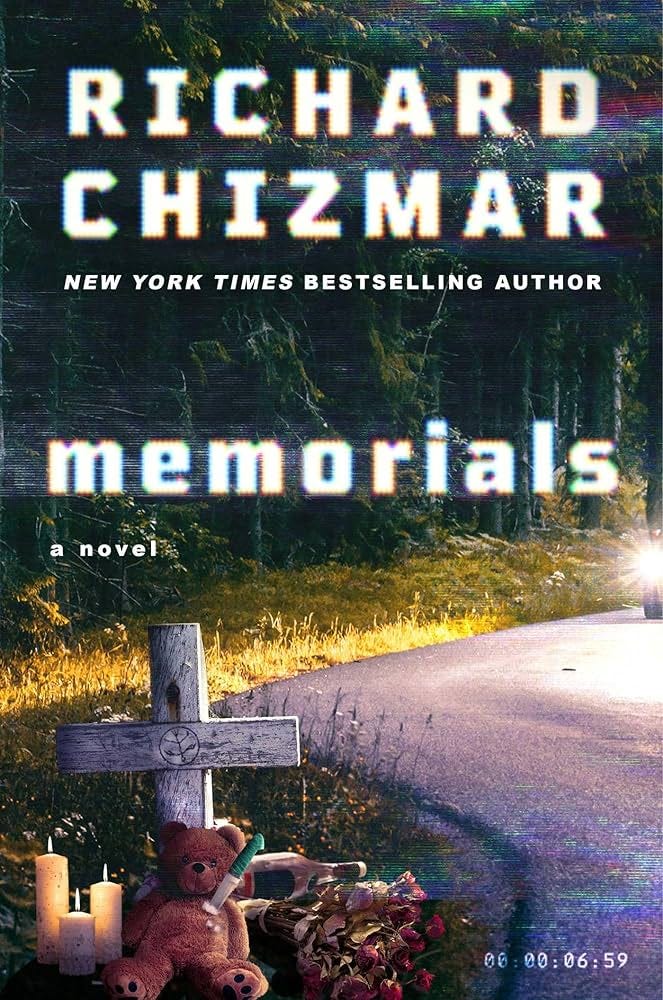
Another horror novel, and one that plays around with familiar elements, combining tropes about teenagers, race, and cult rituals with fun elements of (relatively) modern technology. The plot centers on a college research project, with a few students from a small school in Pennsylvania setting off with a video camera to make a documentary project on roadside memorials for a sociology class. Adding the element of the camera, and chapters that relate segments from the in-progress film, mixes things up a bit from typical character perspective shifts between chapters and adds a curious multimedia aspect to the story (even though it’s all still told in prose) that ratchets up the tension at certain points. Chizmar does a really stellar job capturing the feel of a relatively impromptu film production done by a bunch of amateur students, and the bickering and relationship drama that intervene in the class project are shockingly natural even as the novel’s plot goes off the rails and into madness. The fact that the novel’s setting, and thus the camera/technology, are a bit dated (the novel takes place in the 80s) makes it even more interesting; there is no ostensible perfection to be attained by a digital camera or the intervention of cell phones. Everything is analog, adding to the lo-fi feel of some of the video camera sections and helping maintain the novel’s high wire act as the trio of filmmakers ventures deeper into the Pennsylvania woods and further from anything resembling normality. The whole thing ends up feeling just lovingly uncanny, resembling the types of projects and road trips that people would go on and pursue today, but twisted slightly by virtue of it taking place in a not-too-distant past, making the world of the book feel both fresh and distant.
June - The Bastion
Religion and the Academic Scene by Krister Stendahl, Theodore A. Gill, and Robert Bellah
Religion in the University by Nicholas Wolterstorff
Dominion: How the Christian Revolution Remade the World by Tom Holland
The Anatomy of Story: 22 Steps to Becoming a Master Storyteller by John Truby
Hell’s Angels: A Strange and Terrible Saga by Hunter S. Thompson
Cultural Christians in the Early Church: A Historical and Practical Introduction to Christians in the Greco-Roman World by Nadya Williams
The Fire Next Time by James Baldwin
Angels & Demons by Dan Brown
The Bastion by Gabriel Creech
The Da Vinci Code by Dan Brown
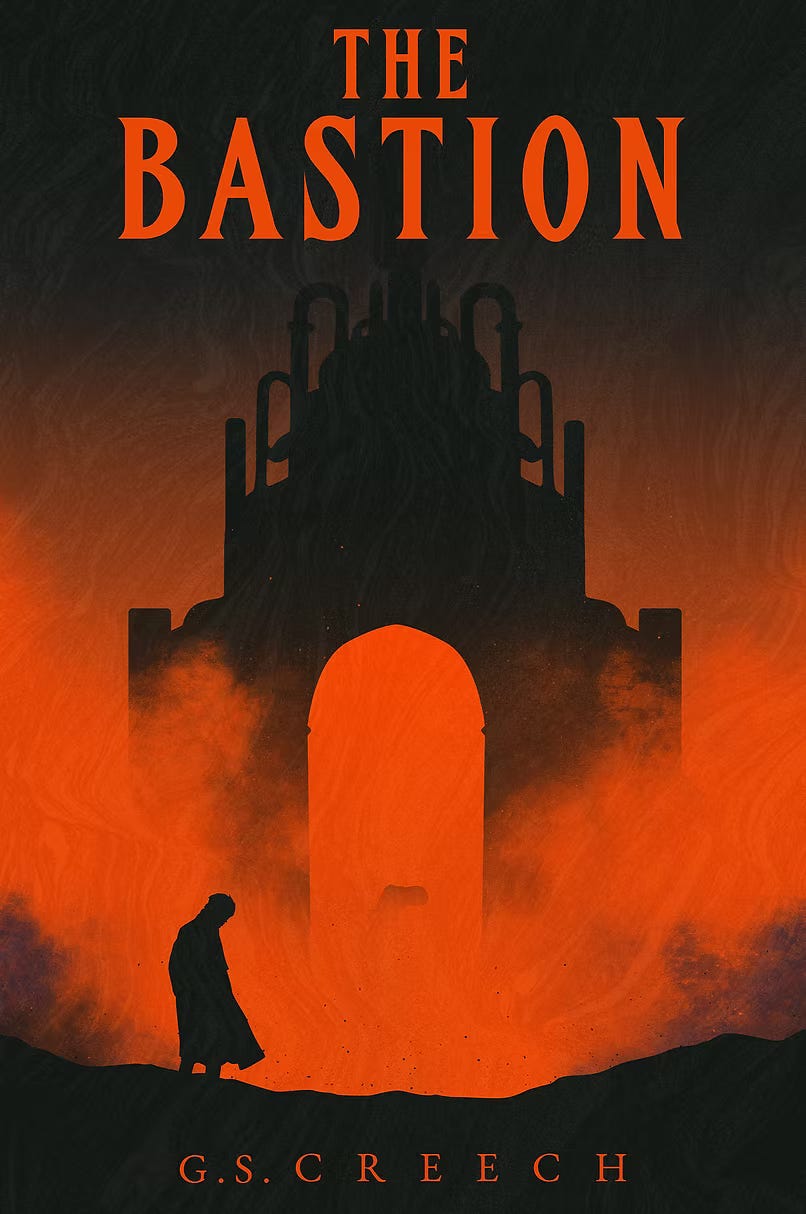
In the first part of this year, I wrote a book. I’ll post more about that later (I think it’s supposed to come out sometime in 2026), but the important thing is that as I was finishing my manuscript up, I learned that a former student and recent graduate had also recently finished a book. Gabe had taken a few courses with me, including the maiden voyage of Religion and Film, and I knew him to be an exceptional writer and thinker, and so I was intrigued by what he was working on. Randomly, I suggested we should swap manuscripts for fresh eyes and feedback, and we did—and that was legitimately one of the best things that I did this year. My naming this book as my favorite of June is not me promoting a friend’s project just because; The Bastion was a great, imaginative, interesting book that I loved getting to read.
The Bastion is a heady mix of crime, steampunk and fantasy with a surprising level of grounding and heart. The main thrust of the plot involves a break-in at a floating, utterly impenetrable prison that turns into a much more complicated endeavor when the initial job the main characters were hired to do goes quickly sideways. Gosh, it’s actually so hard to describe all the different elements that are at play in this book; there are pieces of The Shawshank Redemption and some of the grit and action of the Red Rising series of books plus influence from classic sci-fi and crime thrillers. There’s a world in which the mix doesn’t work, but it does in this book. The plot has enough twists and turns to keep things moving but the real draw is that the characters seem remarkably true in the midst of a highly imaginative and fully formed world. My reading in June featured a lot of crummy thrillers (i.e., I began rereading the entire works of Dan Brown for some reason that I may have to write about in the future), and diving into The Bastion felt so remarkably different right from the start. There was so much intelligence and reflection behind the prose and the mindsets of each of the characters, it was hard not to get sucked in.
I was lucky enough to read this well ahead of its release, but I’m happy to say as I’m writing this that this isn’t something that is going to stay exclusive. Next month, Gabe is releasing the book on Amazon, and I’d highly encourage people to check it out. This particular mix of genres isn’t necessarily for everyone, but for those that are intrigued, the book is a legitimately solid read. I’m actually excited to get my own copy when it’s finally fully out—I know some things have changed since the draft that I read, and I’m looking forward to experiencing all that myself.
July - Big Wonderful Thing
The Lost Symbol by Dan brown
Social Media and Society: An Introduction to the Mass Media Landscape by Regina Luttrell and Adrienne A. Wallace
Inferno by Dan Brown
Big Wonderful Thing: A History of Texas by Stephen Harrigan
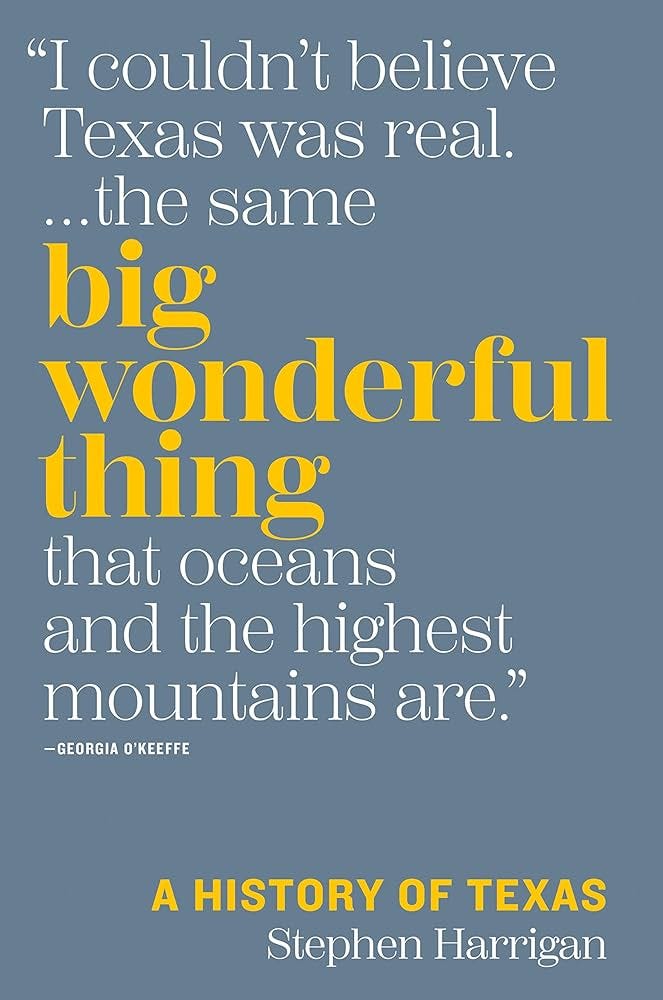
Texas was never the final destination. When we came here in 2016, the plan was to stick around for two years and bounce. And that, of course, didn’t happen. Now, nine years and two kids (both Texans, a fact which I have complicated feelings about) later, I’ve accepted that we’re here for the long haul, that we, in fact, have already been here for a pretty long haul, and it’s about time that I start learning more about this place that we now call home.
Big Wonderful Thing is about as readable a comprehensive history as you could ask for. Harrigan is talented at covering broad strokes in ways that seem detailed, and giving just the right level of detail to the more intricate stories without getting bogged down in irrelevance. One important facet to this book, and to the story of Texas, is that the story does not begin with Texas or Texans, but rather with the various tribes and groups that inhabited the land, sometimes sporadically, before all of that. Harrigan gives these peoples their due with remarkable detail and care, and then makes the transition into the ways that other cultures came into the space with an impressive ease made all the more so by the fact that he never truly loses or abandons the threads that start the narrative off. This is what I mean when I say that the book is broad, even comprehensive. At the same time, the story of Texas’s history is replete with smaller stories, all fascinating and weird and troubling, that deserve their due, and the art of the book is in how those are woven into the broader tapestry. There are plenty of names and dates to be found in Harrigan’s telling, but he always manages to find a narrative “in” to it all that makes those things matter. The story of Texas is the story of politics and culture and trends and history, but it’s also and primarily a story of people, and Harrigan never forgets that.
I still have complicated feelings about living in Texas and raising two Texans. I know that no matter how long I’m here, I’ll probably never truly belong, nor am I sure if I’d really want to. But books like this at least help the place feel a little more interesting, and help me feel like I am here and that it matters that I am here.
August - Misbehaving in Maine
Prayers from the Cloud: 100 Prayers Through the Ages by Pete James
Absolution: A Southern Reach Novel by Jeff VanderMeer
Origin by Dan Brown
Walt Disney: The Triumph of the American Imagination by Neal Gabler
Jesusland: Stories from the Upside Down World of Christian Pop Culture by Joelle Kidd
And Then? And Then? What Else? by Daniel Handler
Misbehaving in Maine: 30 Half-Learned Lessons by Dan Williams
V for Vendetta by Alan Moore and David Lloyd
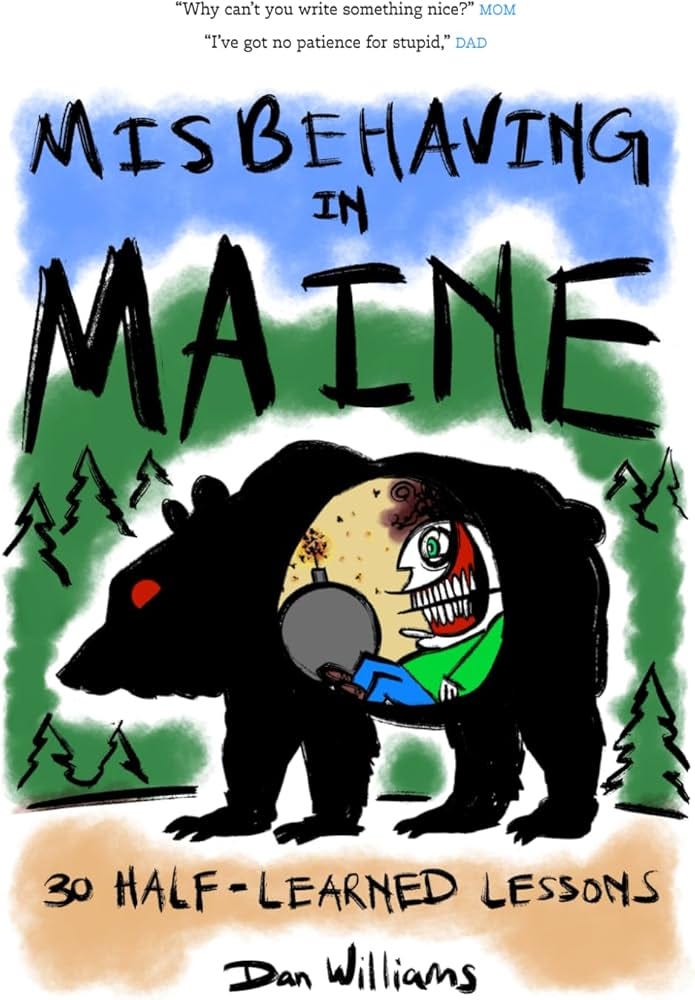
I never actually took a class with Dan Williams. Through the vagaries of circumstance or providence, we met in his first year teaching at Geneva College and I helped him advertise the Geneva Reading Series, a recurring celebration of the written and spoken word. Initially, these advertisements were just posters. Eventually, they were videos. We made a few short films together. And became sincerely good friends.
As with The Bastion, though, me highlighting Misbehaving in Maine is not obligatory. This is a memoir brimming with an absurd level of recollection that captures the absolute reality of the feeling of being a kid simultaneously confused and overwhelmed by the world and yet confident of one’s place in it. It’s hilarious, reading the specifics of how Dan and his siblings and their neighbors and the kids at school and everyone else all related to one another, and witnessing the insanity of the situations they found themselves in (specifically Dan) and yet feeling pangs of recognition in these utterly ridiculous stories. Dan’s childhood was Dan’s childhood, but he also just knows still what it is and was like to be a child, and is able to put that feeling and the logic of children and growing up into plain language that resonates like you wouldn’t believe.
Beyond the capacity to just capture life and growth and change, there’s something to be said for getting to really read a book that you enjoy, that’s just funny. And if there is one thing that Dan is (and Dan is many things) it is funny. In person, at reading events and in videos we made for chapel, Dan’s absurdity can be…difficult for some people. But he is a funny writer, and that humor is crucially not a forced thing—this is not a book trying to be funny. Life is funny, rather, and Dan’s talent for recognizing and writing about life is to be significantly found in his ability to set down the funny things that make life what it is. Funny things are serious, and vice versa, and this is a book that knows that and records it for posterity.
It is, of course, extra special to be able to say all this and mean it when I know the author. But I think I’d say all these things about the book even if I didn’t—which is maybe the most important part.
September - Pattern Recognition
The Running Grave by Robert Galbraith
Pattern Recognition by William Gibson
A Critical Introduction to the Study of Religion by Craig Martin
Spook Country by William Gibson
Propaganda: The Basics by Nathan Crick
Zero History by William Gibson
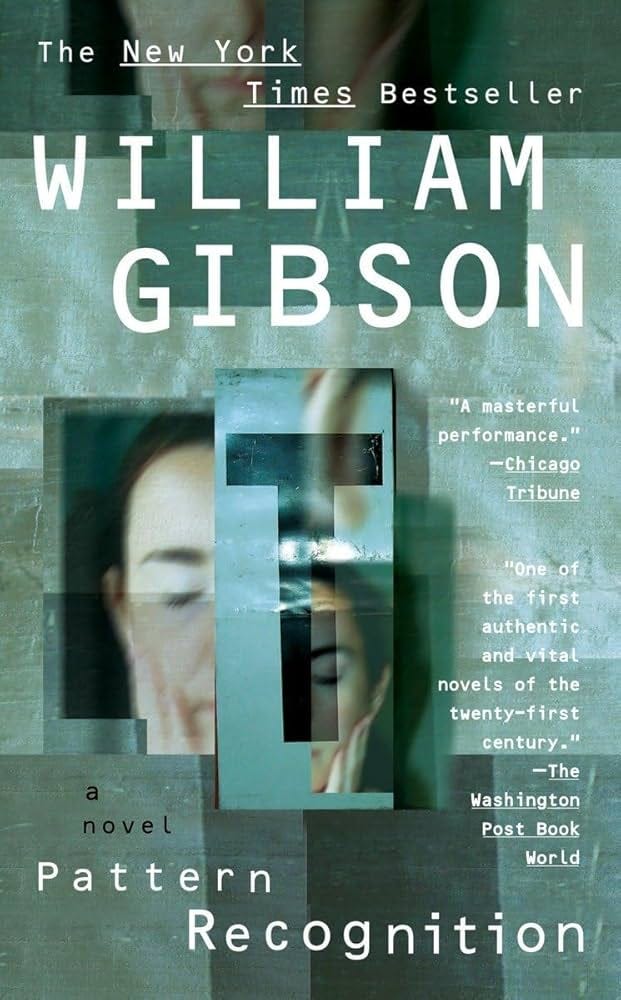
I was a little bit scared to read Pattern Recognition. I read this book for the first time somewhere either just before college or in the middle of it, and it left such a hallucinatory impression—like I was reading about the real world around me but only seeing it clearly for the first time, even as that clear “seeing” was strangely hazy, shrouded in layers of myth and artifice. It was revelatory, legitimately incredible. For years after, I’ve wanted to return to that world but been afraid to, worried that the novel wouldn’t live up to that.
Wow, I was wrong. There are arguably pieces of the book that could feel quaint—the book essentially predicts YouTube and parts of its odd culture but without predicting the technological infrastructure—but as a whole the novel truly does feel like it captures something of our eternal present and postmodern moment. I’m not sure I’ve read anything that still so elegantly and eloquently captures the suffusion of brands and corporate culture and what that does to the feeling of being an individual growing up and living in modern pop culture. Cayce, the heroine, is older than I am, and has a before/after experience of these shifts in popular media culture that I don’t, but all of it feels so familiar, which is, of course, the point.
From a plot perspective, Gibson’s books often end up feeling like a bizarre kind of letdown. There’s always a mystery, and the solution to that mystery is always elegant, but its elegance is always found in its simplicity. For some, this can be disappointing. The things that characters learn are small, and can feel immediately inconsequential. But the thing that Gibson shows time and again across his entire body of work is that culture is made of seemingly inconsequential things, be they movies or clothes or decisions or even gestures. It all matters, and it’s all malleable. We get to make the future and the present that we want to see. Because of the way it so beautifully inhabits and expresses this, Pattern Recognition feels like it takes place yesterday, today, and tomorrow all at the same time, and it’s an incredible feat to pull off—and is the main reason this persists as my favorite of Gibson’s novels.
October - Count Zero
Zona: A Book About a Film About a Journey to a Room by Geoff Dyer
Neuromancer by William Gibson
Count Zero by William Gibson
The Tech-Wise Family: Everyday Steps for Putting Technology in Its Proper Place by Andy Crouch
Murderland: Crime and Bloodlust in the Time of Serial Killers by Caroline Fraser
Mona Lisa Overdrive by William Gibson
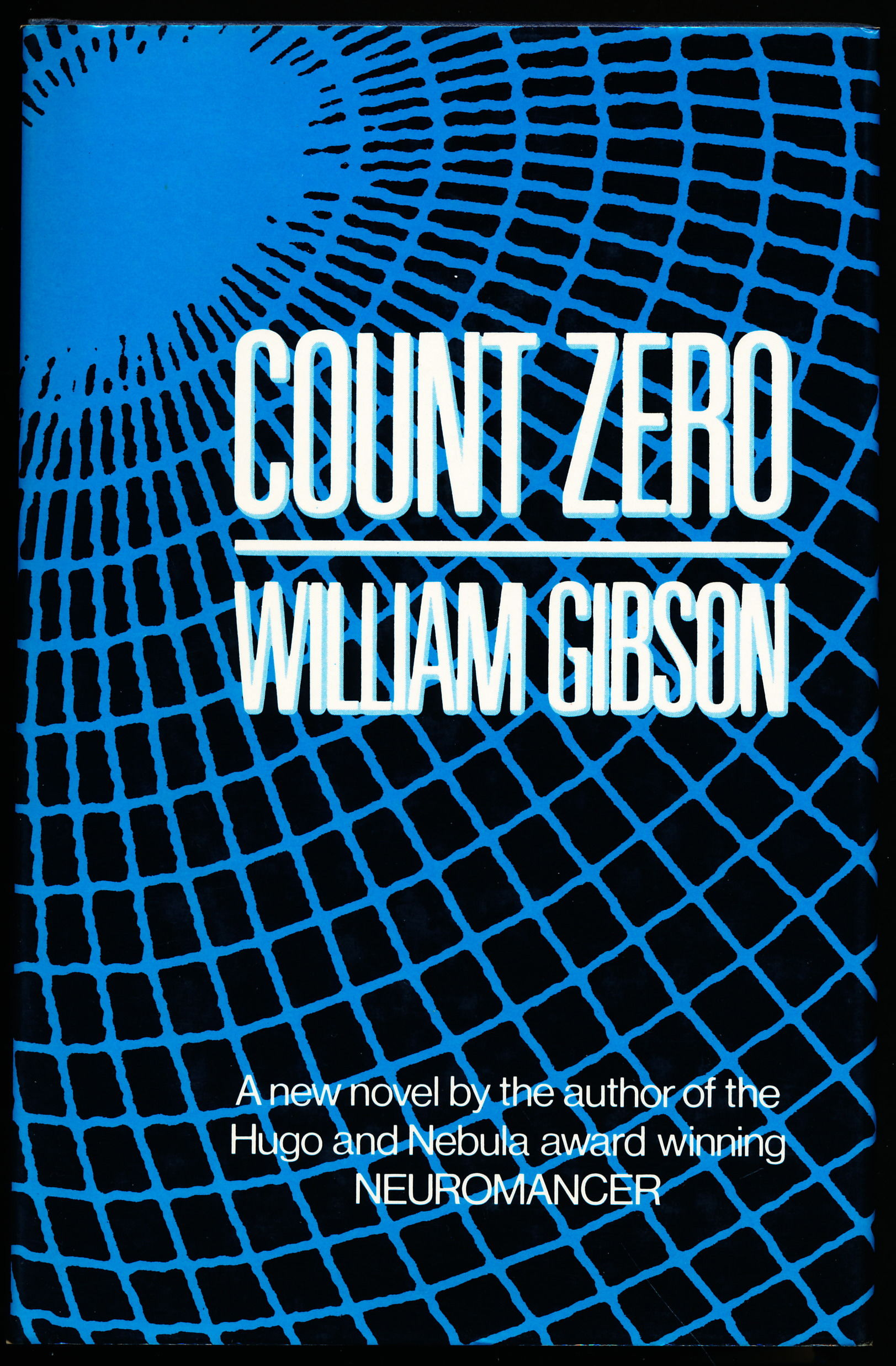
Reading Pattern Recognition led me to reading the rest of that “Blue Ant” trilogy in September, which then kickstarted me returning to Gibson’s “Sprawl” trilogy in October. I’d read Neuromancer multiple times before, Count Zero once, and hadn’t read Mona Lisa Overdrive at all. Diving back into that gritty, cyberpunk world—which, again, feels remarkably fresh and present—was a wild ride from start to finish, and I loved seeing the parity between Gibson’s earliest work and his later books. My memory was that Count Zero was just fine, an adequate novel that was interesting but didn’t add much to the world that Neuromancer drew in such incredible detail. Boy, was I wrong.
The thing that stood out the most in this reread was how remarkably similar Count Zero is to Pattern Recognition. One of the plot threads involves a woman hired to track down someone creating mysterious art pieces that seem to come from nowhere—a direct foreshadowing of Cayce’s gig in Gibson’s later novel. One of the other plot threads involves individuals seeming to recognize the behaviors and personalities of ancient voodoo gods in the digital world of the matrix—a direct foreshadowing of storylines that appear in brief in Pattern Recognition but receive more direct engagement in Gibson’s Spook Country. And the final plot thread involves someone on the fringes of military culture and steeped in industrial espionage—directly foreshadowing several plot lines and at least one specific character in Gibson’s later trilogy. I’d always known that Gibson was on the bleeding edge of cool and culture in all his work, what was shocking upon this reread of Count Zero was seeing that the things that Gibson saw in the immediate post-9/11 landscape have actually always been latent in the culture he was describing, and in the stories he was obsessed with.
Count Zero is not Pattern Recognition, importantly. The way these identifiable plot threads weave and connect and disconnect are very distinct, as is the world that it all takes place in. It truly is its own unique novel and reading experience, with commentary and criticism in its plot and characters that are as unique to the time the novel was published as they are universal. Especially in the personalities of the characters, the book is remarkably different, and these characters were independently fascinating and made for the most crazed brew of personalities when the plot threads came together into the book’s strangely action-packed finale. Count Zero works on its own, in part because it’s a dip back into the matrix of cyberspace and the cyberpunk world that Gibson created in Neuromancer. What makes the novel work is that after all the stage-setting and world-building of that first novel, Count Zero lets Gibson focus on the smaller parts and pieces of that world, and the characters that inhabit those little corners of the culture rise to the fore in unique and challenging ways that make them both frustrating and fun to spend time with. In short, this book features characters who feel more like real people, and so tells a more real story.
November - Night Shift
Different Seasons by Stephen King
Project Mind Control: Sidney Gottlieb, the CIA, and the Tragedy of MKULTRA by John Lisle
Range: Why Generalists Triumph in a Specialized World by David Epstein
Superbloom: How Technologies of Connection Tear Us Apart by Nicholas Carr
Night Shift by Stephen King
Horror Movie by Paul Tremblay
Deep Focus: Film and Theology in Dialogue by Robert K. Johnston, Craig Detweiler, and Kutter Callaway
Hidden History of Waco by Eric S. Ames
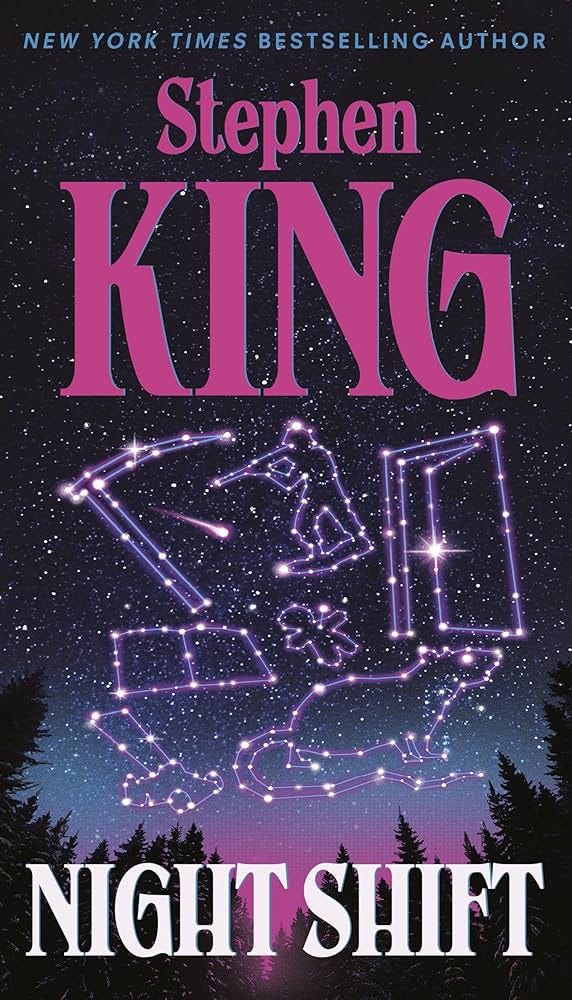
Stephen King is, of course, a perpetual feature on my yearly lists. I recently sat down with a checklist of his entire published works and marked down the books I owned and all that I’ve read. There are still a handful that I need to actually add to my personal shelves, but I’ve read the majority of his work. And of course, you don’t read the majority of works by an author as prolific as King without loving that work. There are—don’t get me wrong—a slew of mediocre novels and stories in the King universe. But the gold in his oeuvre is really golden, and for someone who publishes as much as he does, there’s a shocking amount of gold to be found in his pages. Generally, my tendency is towards his novels. King is great at building comprehensive, relatable characters and setting them loose to wander in ways and places that are endlessly compelling. I’ve loved his short fiction, but am more comfortable in his bigger books.
Night Shift, then, was something of a departure in my regular pattern of King reading, but a delightful one. These early stories are incredible in their breadth and the variety of their premises. There are renegade lawnmowers and some vampires, freaky children and living toy soldiers and all kinds of other crazy stuff. But time and again, King imbues even the earliest and thinnest of these stories with a reality and weight that impresses. He never takes any of his own plots as jokes, or treats them with a winking irony that says he’s just playing around. The story about the toy soldiers is maybe the best example—on the surface, that story idea is ridiculous, trending towards dumb. But King takes it seriously, and so the reader does too, and it works at creating a sense of wonder, suspense, and even horror in just a handful of pages.
I get the impression that for some King fans or critics, there is a line in his career where his work became “serious” and worthy of serious consideration. I’ve not delved into the history of King’s critical reception, but if I had to pinpoint a time where this happened I’d wager that for most people it’s sometime in the late 1990s; 1998’s Bag of Bones and the next year’s Hearts in Atlantis have always stood out to me as exemplars of a shift in King’s writing where the plots of his novels receded just a bit more and the characters came through with a bit more full-fledged humanity. But what the stories in Night Shift show is that that talent, and that tendency, have been at the core of King’s writing and his appeal from the very start. He has absolutely grown as an artist and storyteller—his expansion out of the horror genre and into straight mysteries is one of my favorite of his developments—but he’s never been a bad one of either, and the stories in this book highlight that over and over in funny, ghastly, and intriguing ways.
December - There There
The Routledge Companion to Religion and Film, edited by John Lyden
Holly by Stephen King
Program or Be Programmed: Eleven Commands for the AI Future by Douglas Rushkoff
There There by Tommy Orange
A Series of Unfortunate Events #1: The Bad Beginning by Lemony Snicket
The Artist’s Way: A Spiritual Path to Higher Creativity by Julia Cameron
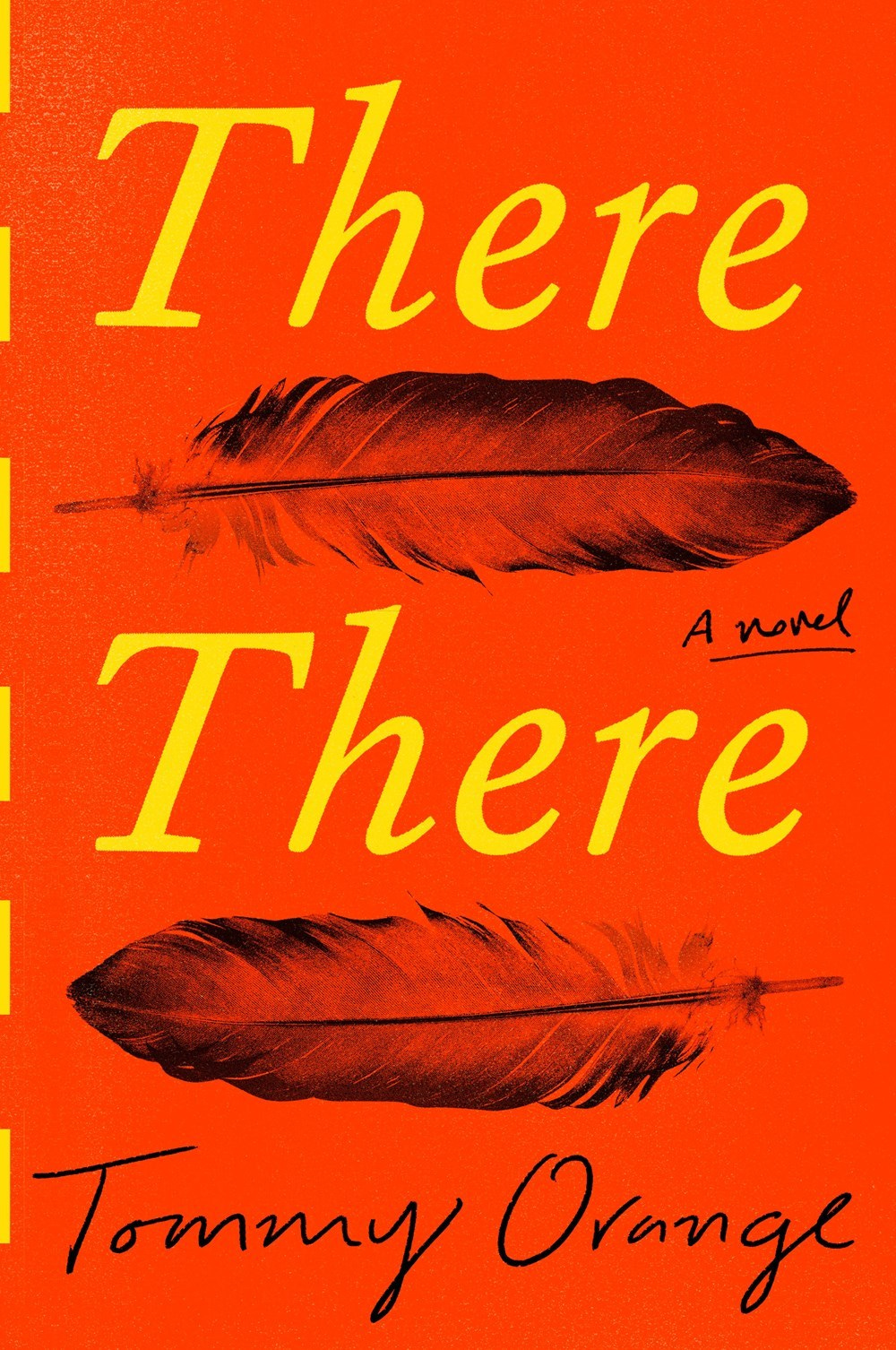
Credit where credit is due, Kathleen turned me onto this one after she read it in a flash earlier this month. There There is a kaleidoscopic novel, with each chapter rotating between probably at least a dozen different narrators, all of them Native Americans exploring their identity and history as it orbits Oakland, California, and as each prepare in various ways to attend a powwow event to be held in the city. As the powwow gets closer, worlds begin to collide in unexpected ways, and the questions that so many of these characters have about their Native identities and their place in the world will sometimes be answered, but are more often made more complex.
Each chapter in There There is not an independent short story by any means, but they often kind of read as such in that each chapter feels remarkably complete. Even as they each very much contribute to the mosaic that the novel gradually builds, the voice of each independent characters shines through with such clarity and gravitas that inhabiting their perspectives for even a little bit feels like a whole experience that needs little in the way of addition. Yet, each chapter also feels like a perfect part of the whole, bringing essential details and characterization to the direction of the entire book. The book has a plot, to be certain, and it’s sort of remarkably prominent in each of the chapters and the telling, but the resonance and vitality of each character’s voice and recollections almost makes the plot ancillary…even though its events are of the utmost importance to bringing so many of these characters and their understandings of their own identities into stark clarity.
All of that feels like I’m being wishy-washy, saying the book does one thing and also another but also the first thing and so on. The truth is, the book is just special. As certain characters came together and certain connections between characters formed both in the information I knew about them and in the progression of the plot, I was genuinely shocked at how emotional I was about certain of the characters and the decisions they made or the reactions they had to certain things. I felt like I was on the verge of tears for probably the whole last 60 pages of the book, and it varied whether those tears were going to be happy or sad or something else entirely. It felt like a strange privilege to be able to witness the lives and thoughts of these characters, all of whom were good and bad in their own ways.You just want to hear the characters talk, and so spending time with them is easy, and their stories unspool with a levity and intensity that welcomes you into their midst.
The book is also a shockingly fast read. It’s 300 pages, but they fly by. It’s not that the novel’s plot is a thrilling page-turner or anything, it’s just that you want to listen to these stories and to know them well, and you can’t help but get wrapped up in them and so speed through them. The book is a staggering accomplishment, and a beautiful thing to have the opportunity to live with, if only for a while.
I know that I am incredibly fortunate to have a life and a job that allows me so much time to read. It’s one of the greatest joys of my life, and something that I hope I never take for granted. These little recaps are also a great joy in my life, a chance to reflect just a little on what I read and why it mattered to me. I hope that it matters, even a bit, to someone else, too.
Until next year, then.
Great list. I also read The Exorcist and loved it!